
Heat Pumps Vs Gas Boilers: Comparison Guide UK 2025
In This Guide We Will Cover:
- Introduction
- What Are Heat Pumps and Gas Boilers?
- Installation Complexity
- Upfront Costs
- Running Costs
- Efficiency and Performance
- Carbon Footprint
- Government Regulations and Incentives
- Conclusion
A heating system is a crucial aspect for comfort and efficiency in all types of homes. As technology advances, homeowners begin to face a dilemma: heat pump vs gas boiler. In this guide, we’ll share with you the key differences and benefits of each option while providing in-depth comparisons on all aspects.
Whether you can decide between an air source heat pump vs gas boiler or simply just weighing out heat pump benefits, this guide will help you decide.
What Are Heat Pumps?
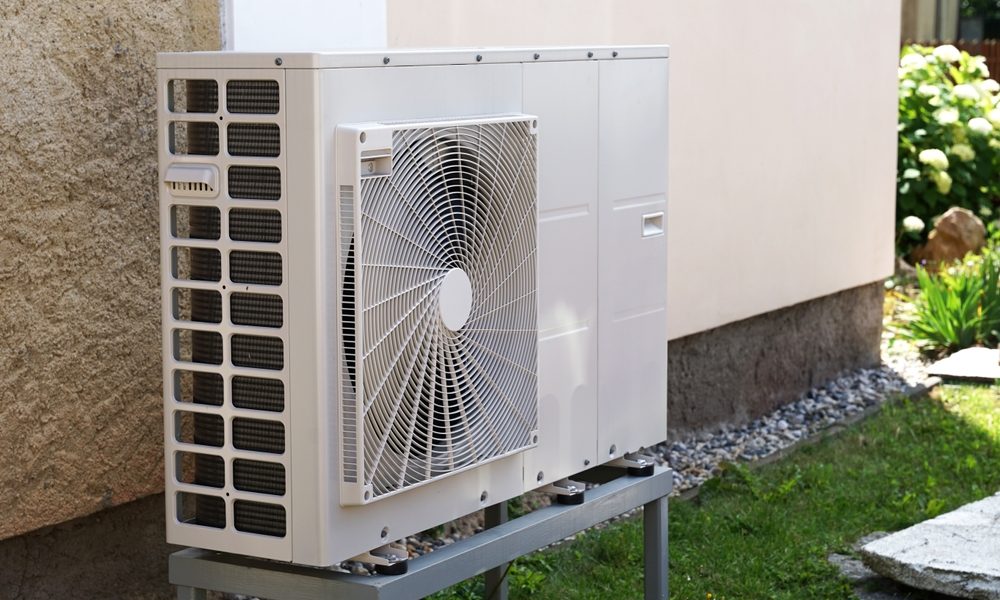
A heat pump extracts heat from the air or the ground and transfers it into your home. Its job is to move heat rather than generating it, which helps lower energy use.
Psst, if you’re wondering, are heat pumps worth it? See our guide here where we analysed their key benefits.
What Are Gas Boilers?
Gas boilers burn natural gas to produce heat. This is a method that’s been trusted for decades. Their design is straightforward, providing reliable warmth on demand. The debate on whether using a heat pump instead of a boiler is surfacing as technology evolves.
Installation Complexity
Both heat pumps and gas boilers have distinct installation requirements, affecting factors such as space and installation time.
Heat Pump Installation
Since heat pumps rely on external components, they require careful placement and planning. The installation process typically involves:
- Outdoor Unit Placement: An external unit must be installed in a location with enough space and unobstructed airflow.
- Specialised Expertise: Qualified technicians with knowledge of renewable energy systems are essential for ensuring the system operates efficiently.
This process could take up to 1 week.
Gas Boiler Installation
Installing a gas boiler is generally a simpler process. With fewer external components, gas boilers can be installed indoors in compact spaces. Key installation factors include:
- Compact Setup: Gas boilers are designed to fit into small utility areas.
- Simple Process: Most technicians are familiar with gas boiler installations, meaning installation is quick.
The overall process is more straightforward compared to a heat pump, with fewer modifications needed to your home.
Installation Summary
Heat pumps require outdoor space and specialised setup, while gas boilers offer a more compact and rapid installation. Your choice will depend on your property layout and how much time and effort you are willing to invest in the initial setup.
Upfront Costs
The initial investment for your heating systems is a big factor. Upfront costs differ significantly between heat pumps and gas boilers.
Heat Pump Upfront Costs
Heat pumps have a higher upfront cost, ranging from £10,000 to £20,000. But there’s good news! To help cut carbon emissions, the Government now offers a £7,500 grant for those investing in a heat pump.
Gas Boiler Upfront Costs
Gas boilers typically require a lower upfront investment, their price can range anywhere from £500-£3,000. Although there are limited government incentives available for gas boilers, the reduced installation expenses can be attractive.
Upfront Costs Summary
In summary, while heat pumps may appear expensive at first, the availability of incentives like the £7,500 grant can bridge the gap. Gas boilers offer a more budget-friendly initial cost but might lack the long-term savings potential seen with heat pumps.
Running Costs
Long-term operating expenses are crucial in determining the overall value of your heating system. Both heat pumps and gas boilers have distinct running cost profiles.
Heat Pump Running Costs
Heat pumps, renowned for their efficiency, operate with a Coefficient of Performance (COP) typically ranging from 3 to 4. This means that for every unit of electricity consumed, the system produces three to four units of heat. Consequently, the running cost of a heat pump is often lower compared to traditional heating methods.
Gas Boiler Running Costs
Gas boilers generally have stable operating expenses due to the predictable cost of natural gas. They heat up quickly and provide immediate warmth, which can be appealing during colder months. However, because they rely on fossil fuels, their running costs can be higher in the long term.
Running Costs Summary
When comparing the two systems, heat pumps offer a more economical operation in the long run due to their high efficiency. Gas boilers, while reliable and quick to heat, may incur higher running costs over time. Your decision between heat pump vs gas boiler should factor in the energy price trends and your household’s energy consumption patterns.
Efficiency and Performance
Efficiency and performance are at the heart of any heating system evaluation. Understanding how each system operates can help you decide which one suits your needs better.
Heat Pump Efficiency and Performance
Heat pumps are engineered for high energy efficiency. Their COP rating is a strong indicator of their performance, making them an attractive choice. Additionally, heat pumps maintain consistent performance even in cold climates, though their efficiency can dip slightly in extremely low temperatures.
Gas Boiler Efficiency and Performance
Gas boilers have improved significantly with modern condensing technology, achieving efficiencies of 90-95%. However, their performance is closely tied to the continuous supply of natural gas. While they are reliable and consistent, the environmental impact of burning fossil fuels remains a drawback.
Efficiency and Performance Summary
Heat pumps offer superior efficiency and designed to reduce energy consumption over time. Gas boilers, though very efficient in the modern era, still rely on fossil fuels and may not match the long-term energy savings of a heat pump.
Carbon Footprint
With environmental concerns on the rise, the carbon footprint of your heating system is more important than ever.
Heat Pump Carbon Footprint
Heat pumps have a clear advantage when it comes to environmental impact. By moving heat rather than generating it through combustion, they produce significantly fewer carbon emissions. Also, when powered by renewable electricity sources, their overall carbon footprint decreases even further.
Gas Boiler Carbon Footprint
Gas boilers, by contrast, burn natural gas to produce heat. This process inherently generates carbon dioxide, contributing to a larger environmental footprint. Even with modern efficiencies, the reliance on fossil fuels means that gas boilers are less sustainable over the long term.
Carbon Footprint Summary
The environmental benefits of heat pumps are clear. They offer a much lower carbon footprint, especially when integrated with renewable energy, whereas gas boilers continue to emit higher levels of CO₂. For those focused on sustainability, this comparison tips the scales in favor of heat pumps.
Key Takeaways
- Installation: Heat pumps require additional space and a more complex installation process compared to the straightforward setup of gas boilers.
- Upfront Costs: Although heat pumps come with a higher initial cost, government incentives such as the £7,500 grant help bridge the gap. In contrast, gas boilers are more budget-friendly upfront.
- Running Costs: Heat pumps are designed for long-term energy savings, while gas boilers, although reliable, incur higher running costs due to fossil fuel dependency.
- Efficiency and Performance: With a high Coefficient of Performance, heat pumps stand out for energy conservation. Gas boilers offer rapid heat but rely on burning natural gas, which affects their overall efficiency.
- Carbon Footprint: For those concerned with environmental impact, heat pumps are clearly ahead due to lower emissions and the potential for renewable energy integration.
When it comes down to it, the decision between heat pumps vs gas boilers depends on your priorities. If you’re focused on long-term savings and environmental impact, exploring an air source heat pump is the right choice. However, if initial cost and rapid heating are your primary concerns, a gas boiler could still be a reliable option.
Efficient Heat Pump Solutions at D-Mec Services
At D-Mec Services, we provide high-quality heat pump solutions tailored to your needs. Our expert team covers Aylesbury, Bedford, Dunstable, Harpenden, Hemel Hempstead, Leighton Buzzard, Luton, Milton Keynes and St Albans.
We handle everything from installation to maintenance, ensuring your system runs efficiently all year round. If you’re considering a heat pump instead of a boiler, we’re here to help.
Contact us today for a free consultation and discover the benefits of switching to a heat pump!