
Commercial vs. Residential AC: What’s the Real Difference?
When people think about air conditioning, they tend to assume the principles are the same regardless of where the unit is installed. In many ways they are as both commercial and residential air conditioning systems cool a space by moving heat out of it. However, when you look beyond that basic function, the two types of systems are very different in design, scale, regulation and cost.
Whether you’re a homeowner exploring home air conditioning systems or comparing air conditioning for businesses, understanding the differences helps you make a far more informed decision.
How Do Commercial and Residential Air Conditioning Systems Differ in Scale?
The most identifiable difference between commercial air conditioning systems and residential air conditioning systems is the size. Home air conditioning systems are usually designed to serve a single dwelling, a couple of rooms with predictable heat loads.
Whereas, commercial air conditioning systems need to manage temperature across open-plan offices, server rooms, retail floors and other spaces where the number of people, equipment and heat sources can vary throughout the day. These demand greater capacity and a more adaptable system architecture.
What Types of Equipment Are Used in Each Setting?
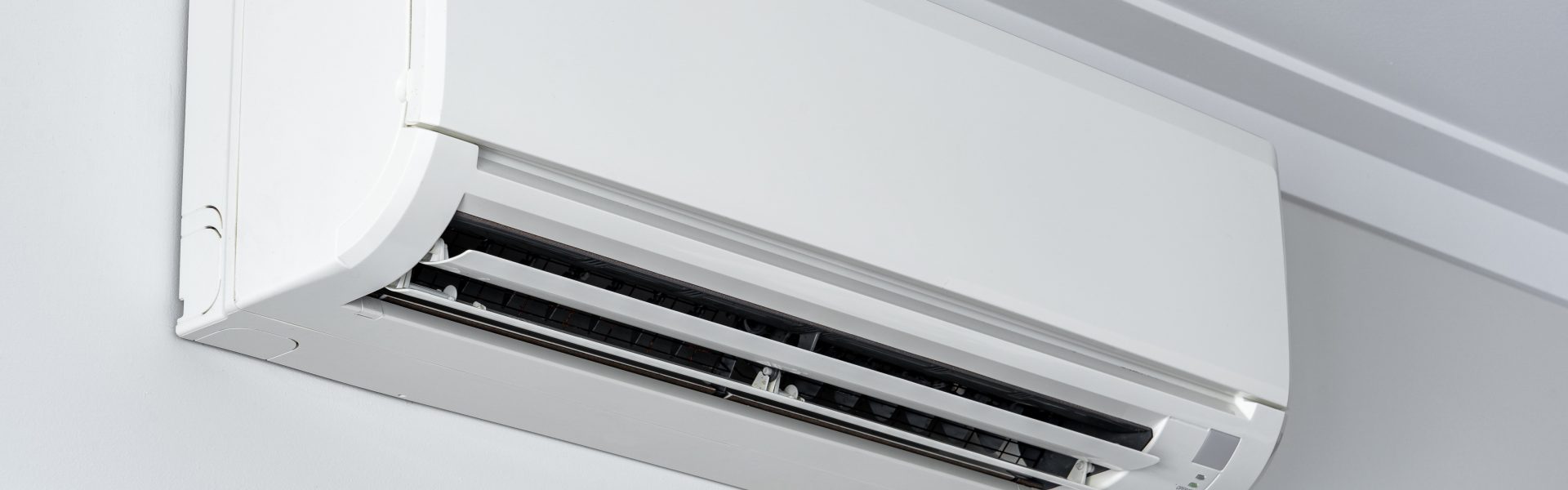
Residential air conditioning systems are often split or multi-split configurations, a wall-mounted indoor unit paired with a compact outdoor condenser. They’re designed to be discreet, quiet and easy to operate.
Commercial air conditioning systems are more likely to involve VRF (variable refrigerant flow) setups, rooftop packaged units or ducted systems capable of serving multiple zones independently. Air conditioning for businesses usually needs to be precisely zones so that a server room, meeting room, offices and reception areas can be set at different temperatures simultaneously.
Are the Regulations Different for Air Conditioning for Businesses?
Yes. Home air conditioning units tend to have minimal regulatory requirements, with planning permission only needed in certain circumstances. Whereas, air conditioning for businesses is subject to far more rules. Under UK F-Gas Regulations, commercial air conditioning systems with a charge of 5 tonnes of CO2 equivalent or more must be inspected by a certified engineer at least twice a year.
How Do Maintenance Requirements Compare?
Both residential and commercial air conditioning systems benefit from regular servicing, but the obligations are different. Residential air conditioning systems are often recommended to be professionally serviced once a year, to maintain efficiency and protect manufacturer warranties.
Commercial air conditioning systems carry mandatory inspection and maintenance requirements under UK law, making twice-yearly servicing a legal requirement.
Is Commercial vs Residential Air Conditioning Simply a Matter of Budget?
Cost is a factor to consider. Commercial air conditioning systems have higher upfront costs and ongoing maintenance obligations. However, it is important to recognise that these systems are designed to handle higher demands.
Choosing residential air conditioning for a business environment will almost always result in poor performance and premature failure.
Ready to Find the Right System for Your Property?
At D-Mec Services we have more than 25 years of experience delivering commercial and residential air conditioning across Bedfordshire and the surrounding area.
Get in touch today for a free consultation.